The Ultimate Guide to Diamond Cuts: Find the Shape That Tells Your Story
- Annie Gallagher
- May 9, 2025
- 13 min read

Updated: May 18, 2025
Choosing a diamond cut isn’t just about sparkle—it's about storytelling. The shape of a diamond not only determines how it reflects light, but also how it reflects your personality, relationship, and style. From timeless round brilliants to antique rose cuts, every diamond cut carries its own aesthetic appeal, historical roots, symbolic meaning, and shopping considerations. For modern ring shoppers, understanding these nuances is the key to making a confident and meaningful choice.
In this comprehensive guide, you’ll learn everything you need to know about 16 of the most iconic and unique diamond cuts. Whether designing a custom engagement ring or browsing your favorite jeweler’s collection, you’ll discover the pros and cons of each cut, ideal settings, pricing insights, finger shape considerations, and even their historical and symbolic associations. Classic styles like the round brilliant, princess, and emerald remain popular for their versatility and brilliance, while vintage shapes like the rose cut or old mine cut offer timeless romance. Unique shapes like kite, hexagon, and portrait cuts appeal to the adventurous and design-forward bride.
No matter where you are in your ring-buying journey, this guide will help you select a diamond cut that aligns with your story—and sparkles just the way you imagined.
1. Round Brilliant Cut
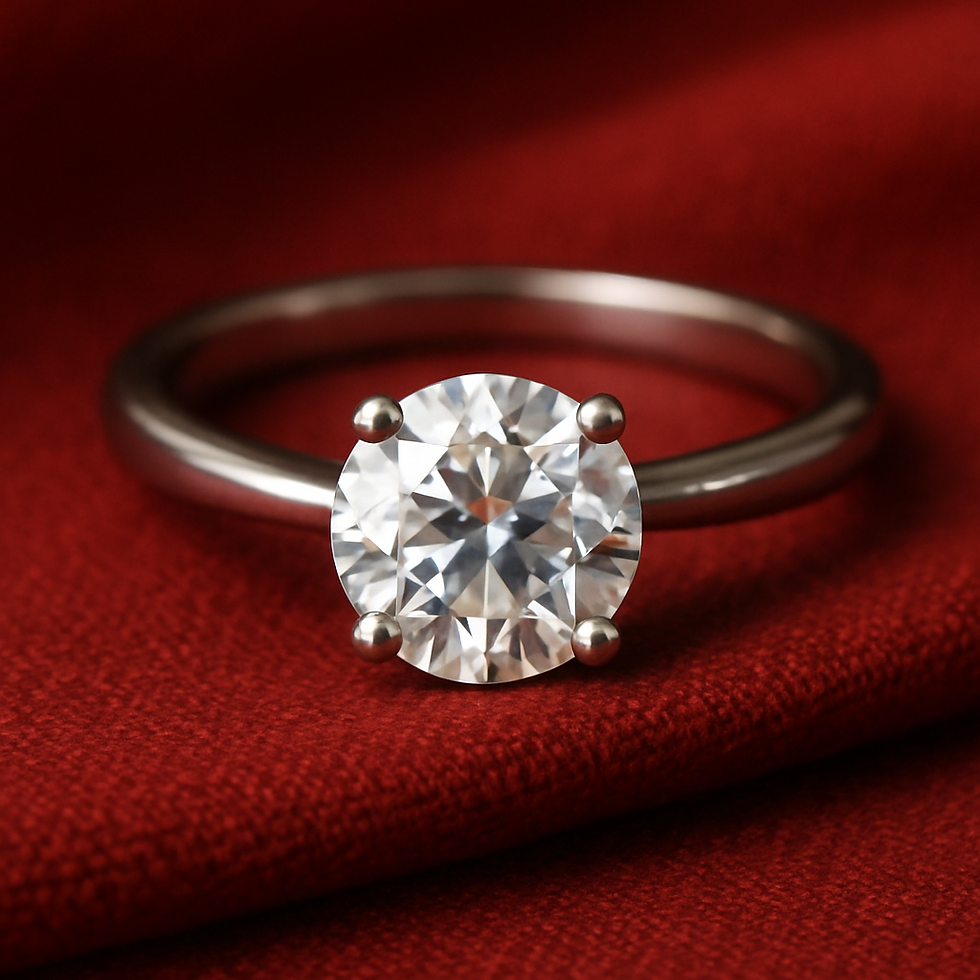
The round brilliant cut is the most iconic and popular diamond shape, known for unmatched sparkle and timeless appeal. With 58 precisely arranged facets, it’s designed to maximize light reflection and brilliance, making it the most brilliant of all diamond cuts. First perfected in the early 20th century by Marcel Tolkowsky, this cut has become the gold standard for engagement rings.
Round brilliants are ideal for shoppers who want a classic look with maximum sparkle. They suit all ring settings, from simple solitaires to vintage halos and intricate pavé bands. Because of their perfect symmetry and sparkle, round cuts can also hide minor inclusions and color variations better than most shapes.
Symbolically, the circle represents eternity, wholeness, and enduring love, making the round brilliant a natural choice for proposals. It flatters every finger shape and size, and is universally adored for its balanced proportions.
In terms of value, round brilliants are often the most expensive cut per carat. This is because cutting a round diamond involves more rough diamond waste, and the high demand drives up pricing. However, many buyers consider the investment worthwhile for the brilliance and tradition it offers.
Perfect for those who value elegance, sparkle, and tradition, the round brilliant cut never goes out of style.
2. Princess Cut

The princess cut is a modern favorite, offering sharp geometric beauty and impressive sparkle. Developed in the 1970s, this square-shaped diamond is the most brilliant of the “fancy shapes” and features 57 or 76 facets, depending on how it’s cut.
What sets the princess cut apart is its edgy, contemporary look combined with excellent fire. It’s ideal for those who want something more angular and modern than a round cut but still crave maximum brilliance. It works beautifully in classic solitaires, channel-set bands, or halo settings.
Because of its square or rectangular shape, the princess cut tends to preserve more of the rough diamond during cutting, making it more affordable per carat than round brilliants. That said, its pointed corners can be fragile, so protective prongs are essential to prevent chipping.
Symbolically, the princess cut represents strength, precision, and individuality—perfect for someone with bold taste and a love for modern design. It’s a flattering choice for shorter fingers, as the vertical lines elongate the hand.
If you love symmetry, sparkle, and strong lines, the princess cut offers a striking, stylish alternative to traditional round diamonds, without sacrificing brilliance.
3. Emerald Cut

The emerald cut is the epitome of elegance and understated sophistication. With its long, rectangular facets and step-cut design, this diamond cut creates a “hall-of-mirrors” effect, emphasizing clarity and luster over brilliance. Originally developed for emeralds (hence the name), the emerald cut has been popular in diamond engagement rings since the Art Deco era of the 1920s.
This cut features 57 facets and a large, open table, making it essential to choose a stone with excellent clarity. Unlike brilliant cuts, the emerald cut won’t disguise inclusions or color imperfections, so prioritize quality over size.
Emerald cut diamonds work beautifully in sleek solitaire or vintage-inspired settings. Their long lines and clean angles pair especially well with baguette or trapezoid side stones.
Symbolically, the emerald cut conveys refinement, clarity, and intentionality. Its linear shape flatters long or slender fingers, enhancing their natural elegance.
Value-wise, emerald cuts can appear larger than round diamonds of the same carat weight due to their flat surface area. They also tend to be less expensive per carat, offering a refined, high-end look without the round brilliant price tag.
If you’re drawn to vintage glamour or clean, architectural lines, the emerald cut is a graceful and sophisticated choice.
4. Oval Cut

The oval cut combines the brilliance of the round diamond with a more elongated shape, making it a favorite for those who want something classic but with a twist. Developed in the 1960s by Lazare Kaplan, the oval cut typically features 56–58 facets and has a very similar sparkle to a round brilliant.
Its elongated form not only gives a flattering, slimming effect on the finger but also makes the diamond appear larger than its carat weight would suggest. This makes it a smart choice for those wanting maximum visual impact on a budget.
Oval diamonds are extremely versatile, looking stunning in solitaire, three-stone, or halo settings. They also suit nearly every finger shape but are particularly flattering on shorter or wider fingers due to their lengthening effect.
Buyers should be mindful of the “bow-tie effect,” a dark shadow that can appear across the center of ovals. Almost all ovals have some degree of this effect, however, a poorly cut oval diamond will have a large and dark bow-tie that may distract the eye. Always view the stone in person or request a video to check light performance.
Symbolically, the oval represents individuality and creativity, perfect for a wearer who appreciates timeless elegance with a modern flair. It’s an excellent choice for those who want brilliance, elegance, and a larger appearance in one beautiful cut.
5. Cushion Cut

Cushion cut diamonds—sometimes called “pillow cut”—are beloved for their romantic, vintage feel. With their rounded corners and larger facets, they offer a soft, elegant sparkle and deep fire that harks back to antique styles. The cushion cut has been around since the 18th century and was the most popular cut before the invention of the round brilliant.
Modern cushion cuts typically have 58 facets and come in two main styles: standard (chunkier facets with more vintage appeal) and modified (more facets for greater brilliance). The cut is slightly less sparkly than a round brilliant, but can offer a “glowy” depth that many find mesmerizing.
Cushion cuts are ideal for halo settings or vintage-inspired bands and offer great versatility. They're also slightly more affordable per carat than round diamonds and often hide inclusions better due to their larger facets.
Symbolically, this cut represents romance, softness, and enduring love—perfect for someone drawn to nostalgia or timeless beauty. It works well for all finger shapes, especially when elongated.
For those who love old-world charm with a touch of contemporary refinement, the cushion cut is a dreamy, expressive option.
6. Marquise Cut

The marquise cut, also known as the “navette” cut, is a bold and dramatic choice known for its elongated shape and pointed ends. Legend has it that King Louis XV of France commissioned the cut to resemble the smile of his mistress, the Marquise de Pompadour. Its rich history and regal flair make it an eye-catching option.
Marquise diamonds have 56–58 facets and often appear larger than other cuts of the same carat weight due to their long, narrow shape. This also creates a slimming effect on the hand, ideal for shorter or wider fingers.
However, the pointed tips of marquise diamonds can be fragile and prone to chipping, so they should always be set with protective prongs. Symmetry is crucial—uneven proportions can result in a distorted appearance.
Marquise cuts symbolize ambition, passion, and individuality. They stand out in solitaire or halo settings and often appeal to those with a bold or fashion-forward style.
In terms of pricing, marquise diamonds are generally less expensive per carat than round cuts and can deliver impressive finger coverage and sparkle for a smaller budget.
If you're after elegance with a bit of edge, the marquise cut is a statement-making option steeped in romantic lore.
7. Pear Cut

The pear cut, or teardrop diamond, is a hybrid of the marquise and round brilliant cuts, offering both distinctive shape and beautiful brilliance. This cut features 56–58 facets and a graceful silhouette that makes it a popular choice for those who want a unique yet timeless ring.
The pear cut is flattering on all finger types, especially when worn with the point facing away from the hand to elongate the finger. It's also versatile in settings: it can be set vertically, horizontally, or off-center for a modern twist.
Like the marquise, pear cuts are prone to chipping at the point and should be set with a protective prong. They can also exhibit a “bow-tie” shadow across the middle if poorly cut, so examining light performance is key.
Symbolically, the teardrop shape represents emotional depth, resilience, and new beginnings—ideal for someone sentimental and expressive.
Pear cuts are typically more affordable per carat than rounds and appear larger due to their surface area. Their elegance and fluid shape make them ideal for vintage and modern styles alike.
If you’re looking for a diamond that blends grace with individuality, the pear cut offers charm, character, and a touch of dramatic flair.
8. Asscher Cut

The Asscher cut is a square, step-cut diamond known for its vintage elegance and architectural precision. Developed in 1902 by the Asscher Brothers of Holland, it gained fame during the Art Deco period and has recently seen a resurgence in popularity.
Asscher cuts feature a high crown, deep pavilion, and 58 large step facets that produce a “hall of mirrors” effect—less sparkly but incredibly sophisticated. The cut’s octagonal shape and symmetrical X-pattern are best appreciated in high-clarity diamonds, as inclusions are easier to spot.
This cut works beautifully in vintage-inspired settings, especially with pavé or baguette side stones. It flatters those with a love for clean lines and bold geometry.
Symbolically, the Asscher cut represents order, clarity, and timeless beauty. It’s ideal for square or longer fingers and offers a refined presence without overwhelming the hand.
Value-wise, Asscher cuts are more affordable than round brilliants and can look smaller due to their depth, so consider sizing up in carat weight.
For those who adore Art Deco, symmetry, and sophistication, the Asscher cut offers a timeless, chic option steeped in design history.
9. Radiant Cut

The radiant cut combines the best features of emerald and round cuts, offering the elegance of step cuts with the brilliance of a round. Invented in the 1970s, the radiant cut features 70 facets that give it intense fire and sparkle.
It’s available in square or rectangular shapes, both of which work well in a variety of settings. The cut corners make it durable and ideal for halo or three-stone rings. Unlike emerald or Asscher cuts, radiant diamonds mask inclusions and color well, making them more forgiving in lower clarity or color grades.
Symbolically, the radiant cut reflects boldness, energy, and modern style. It’s excellent for people who love sparkle but want something more unique than a round brilliant.
Radiant cuts are generally more affordable than round diamonds and tend to appear slightly smaller than ovals or pears of the same carat. Still, their brilliance more than compensates, offering a dazzling display in any lighting.
Perfect for those who want both structure and shimmer, the radiant cut offers a fiery, modern twist on classic elegance.
10. Heart Cut

The heart cut is the ultimate symbol of romance. This rare and distinctive cut features a cleft at the top and two symmetrical lobes that form the iconic heart shape. It typically has 56–58 facets and demands high precision to ensure symmetry and brilliance.
Heart-shaped diamonds require expert cutting and are usually best in stones above 0.5 carats, as smaller hearts may lose definition. Settings should protect the point (which is prone to chipping) and frame the heart shape clearly—bezel and halo settings are popular for this reason.
Symbolically, the heart cut is an unmistakable emblem of love, passion, and commitment. It’s ideal for romantics and those who enjoy bold, expressive jewelry.
Heart cuts are less common, which makes them unique and conversation-worthy. They may cost slightly less per carat due to lower demand, but can require custom settings and careful shopping for symmetry.
Best suited for those who want to make a sentimental statement, the heart cut is perfect for people unafraid to wear their love on their finger.
11. Kite Cut

The kite cut is a geometric, angular diamond shape that has surged in popularity in modern and alternative engagement rings. With its distinctive elongated, four-sided form that resembles a kite, it offers a bold and artistic silhouette perfect for unconventional styles.
This cut typically features a modified brilliant or step-cut facet pattern and is most often seen in salt and pepper diamonds or geometric gemstone arrangements. It rarely appears in traditional diamond rings, making it a standout choice for custom or indie designs.
Kite cuts work well in vertical solitaire settings or as accent stones in multi-stone designs. They’re ideal for wearers who embrace individuality, minimalism, or edgy fashion.
Symbolically, the kite cut can represent freedom, adventure, and forward movement—perfect for non-traditional romantics. It’s particularly flattering on longer fingers due to its angular elongation.
Price-wise, kite cuts are often more affordable due to their rarity and custom nature, but sourcing high-quality stones can take time. They're commonly found through independent jewelers or custom ring designers.
If you want a diamond cut that feels personal, artistic, and undeniably modern, the kite cut soars above the rest.
12. Rose Cut

The rose cut is one of the oldest known diamond cuts, dating back to the 16th century. Unlike modern cuts, the rose cut has a flat base and a domed top covered in triangular facets (usually 24), giving it a soft, subtle shimmer that resembles the petals of a rose.
Rose cuts don’t have the same internal brilliance as modern cuts but instead offer a romantic, vintage glow. They’re often used in antique settings or paired with rustic or opaque diamonds for a dreamy, old-world look.
Rose cut diamonds sit low on the finger, making them perfect for bezel settings and everyday wear. They’re often found in unique, one-of-a-kind rings from artisanal designers.
Symbolically, rose cuts represent enduring beauty, history, and a connection to the past. They’re especially meaningful for vintage lovers or couples drawn to timeless elegance.
Due to their shallow depth, rose cuts appear larger than most other cuts of the same carat weight, making them a value-conscious choice. They’re typically less expensive and often chosen more for aesthetic than brilliance.
Perfect for the romantic, artistic, or historically minded bride, the rose cut is delicate, ethereal, and endlessly poetic.
13. Old Mine Cut

The old mine cut was the dominant diamond shape of the 18th and 19th centuries. Recognizable by its cushion-like shape, high crown, deep pavilion, and small table, it was hand-cut by candlelight, leading to a distinctive, chunky sparkle that’s rich with antique charm.
Old mine cuts usually have 58 facets, but because they were hand-cut, no two are exactly alike. This individuality makes them especially appealing to vintage enthusiasts.
They’re most often found in antique rings or through estate jewelers. Their asymmetry and unique glow make them ideal for lovers of one-of-a-kind pieces.
Symbolically, the old mine cut reflects history, romance, and individuality. It’s well-suited to vintage settings like filigree or Edwardian-style rings.
Old mine cuts tend to be more affordable than modern cuts and offer a larger appearance due to their deeper depth. They may show more warmth and inclusions, which adds to their rustic, organic appeal.
If you're drawn to antique romance and want a diamond with soul, the old mine cut offers historic beauty that modern diamonds can't replicate.
14. Old European Cut

The old European cut was the predecessor to the modern round brilliant and dominated the late 19th and early 20th centuries. Like the old mine cut, it features 58 facets but with a rounder outline, smaller table, and higher crown.
What makes the old European cut so captivating is its moody, candlelit sparkle—less flashy than modern brilliants but full of depth and fire. These diamonds are usually found in vintage rings or as loose stones from estate sales.
Symbolically, the old European cut reflects tradition, romance, and lasting values. It pairs beautifully with vintage-style settings and is ideal for someone who values craftsmanship over perfection.
Though less precise than modern round cuts, old European cuts offer better value per carat and a unique look. Their high crowns and open culets create a softer brilliance that glows rather than dazzles.
If you’re a lover of history, heritage, and old-world charm, the old European cut offers authenticity and a deep, soulful sparkle.
15. Portrait Cut

The portrait cut is one of the rarest and most artistic diamond cuts. Traditionally used in Indian jewelry, it features a thin, flat diamond slice polished like a sheet of glass, often placed over miniature paintings or fabrics in antique pieces.
Modern portrait cuts maintain this flat, transparent structure, making them ideal for bezel settings. They rarely sparkle in the traditional sense but instead offer a serene, ethereal clarity that feels modern and mysterious.
Because portrait cuts have little to no depth, they appear very large per carat and are ultra-lightweight. They're often used with salt and pepper diamonds or modern artisan rings.
Symbolically, the portrait cut suggests clarity, vision, and individuality. It’s ideal for design-forward couples who want something truly one-of-a-kind.
These diamonds are rare and usually custom-cut, so pricing varies widely. They’re more affordable than traditional cuts due to their lower brilliance but offer immense visual presence.
For the unconventional, artistic, or minimalist bride, the portrait cut is a modern heirloom in the making—quietly elegant and deeply personal.
Conclusion
Choosing a diamond cut is more than a design decision—it's a reflection of your love story, your style, and the symbolism you want to carry with you for a lifetime. From the timeless sparkle of a round brilliant to the historic glow of an old mine cut or the architectural intrigue of a hexagon, each shape speaks to something different. Whether you prioritize brilliance, uniqueness, vintage charm, or modern artistry, the perfect diamond cut is the one that aligns with your vision.
Consider how each cut complements your finger shape, lifestyle, and budget. Think about what matters most: brilliance, size, appearance, symbolism, or rarity? The right diamond shape can elevate a setting, flatter your hand, and become a daily reminder of your values and bond.
With this guide in hand, you’re now equipped to explore with confidence. Let your heart, history, and imagination guide you—and choose the cut that makes your story shine brightest.


Comments